
Custom Protest Patches: Small Symbols, Big Statements
Protest patches can make a powerful statement for a cause.
From the beginning, protesting has been an integral part of the fabric of the United States. From the Boston Tea Party to the political protests and rallies in the streets today, Americans have exercised their right to speak their minds against injustice both real and perceived.
Those efforts have taken many forms, including marches, sit-ins, silent vigils and noisy parades. Protesters have used signs, t-shirts, painted faces and other visual means to get their point across. One of the most popular, and in many cases, most effective, is through the use of custom protest patches.
The Value of Protest Patches
Signs, posters, shirts and megaphones are all valuable protest devices, especially for major gatherings. Custom patches are more subtle, but they’re also a longer-lasting way to get your point across to others.
Marches end. Sit-ins conclude. Media coverage moves on to the next new thing, and a protest fades from view.
Patches, on the other hand, stick around. Every time you walk out the door wearing a jacket or shirt with a patch on it, you’re exposing your point of view to others. The patch can reach people who might not attend a rally, sign a petition or take part in a sit-in. They might not even be aware of the issue, or its potential impact on their own lives.
That small patch on your jacket might pique their curiosity to ask you about its meaning. That gives you a chance to explain your position. You might find a new ally for your cause.
A Brief History of Protest Patches
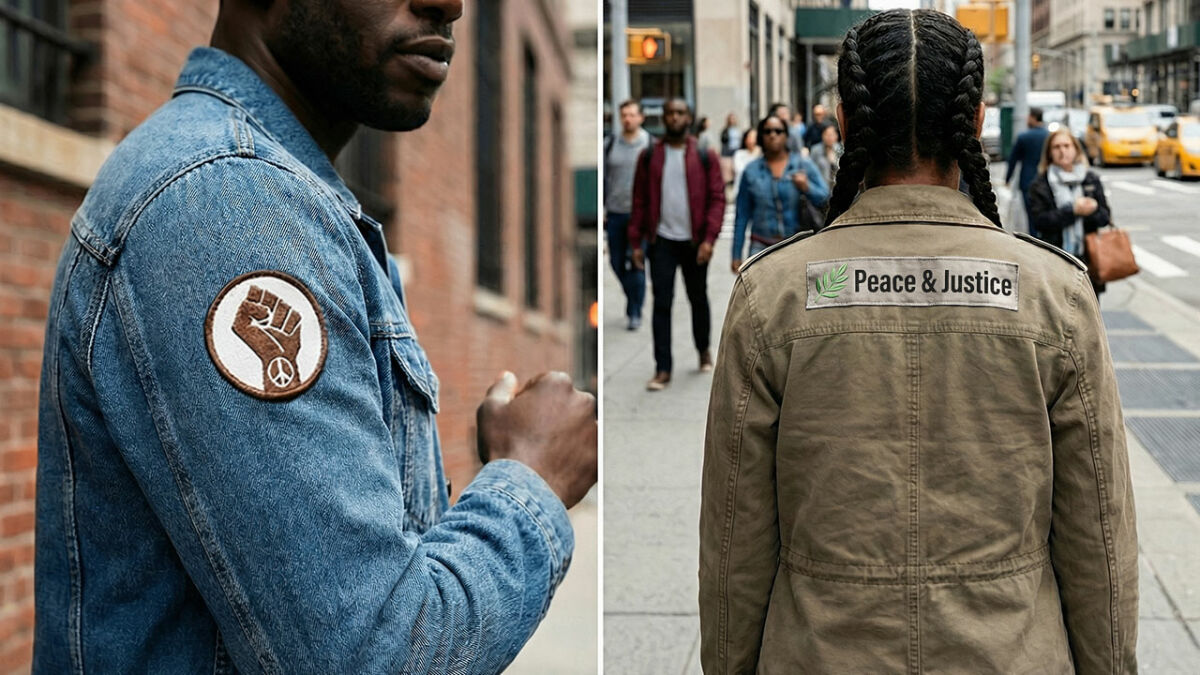
Protest patches have been part of our political and fashion landscapes for decades. Early in the 20th century, labor unions adopted embroidered insignias to show membership and unity. Worn in public, the patches identified the wearers at proud union members. At the time, that could be dangerous.
Patches truly became a medium of protest in the 1960s. As the Vietnam War expanded, so did the number of people protesting against it. An embroidered peace symbol patch, sewn onto a military surplus jacket became a powerful anti-war symbol. Patches displaying political slogans became popular as well.
Such overt displays of activism became less popular in the 1970s, Toward the end of the decade, however, the punk movement revitalized the use of patches as a symbol of rebellion, ranging from short phrases to the peace symbol to the “Anarchy” circle-A.
Since then, patches have continued to be a popular form of rebellious expression. From the pink triangle patches of the 1980s AIDS relief advocacy marches to the anti-ICE protests of today, patches make a statement wherever they go.
Why Protest Patches Work
Custom patches are effective because they combine visibility with personal commitment. Sewing a patch onto a jacket, vest or backpack is a choice to publicly support a cause. It’s a choice that can spark conversations and invite questions.
Be as Bold, or as Subtle, as You Want
With patches, you have a choice of how outspoken you want to be. A small patch on a sleeve or a hat make a low-key statement. A large back patch on a jacket makes a bold announcement that’s hard to ignore. The choice of how loudly you want to speak is up to you.
Patches Spark Recognition

Patches also are an effective way for like-minded people to recognize each other. People like to see they’re not alone and that they belong to a group. Seeing matching patches at a march or rally helps create a sense of unity. It’s a way of feeling part of something bigger than just any one person.
Something to Hold On To
Unlike other artifacts, patches last. They offer a tangible reminder of your actions on behalf of a cause, of people you’ve met at marches and rallies. You can continue to wear protest patches for years on clothing, or keep them in a box with other keepsakes from the past. They’re a valuable part of your personal history, and of the history of a movement or cause as well.
Designing an Effective Protest Patch
If you want your protest patch to reach people, good design is a must. Your patch should communicate quickly and clearly.
Make The Message Fit the Medium
Keep your message focused. Stick to short slogans or phrases that anyone seeing the patch can understand at a glance.
Fonts should be bold and easily readable. Don’t use overly decorative fonts that reduce understanding.
Colors Matter
Color choices are important, too. If your cause has a particular color linked to it, be sure to use it. Green often indicates environmental causes, for example. Keep in mind that your goal is maximum visibility. High-contrast color combinations work best.
The Power of Symbols
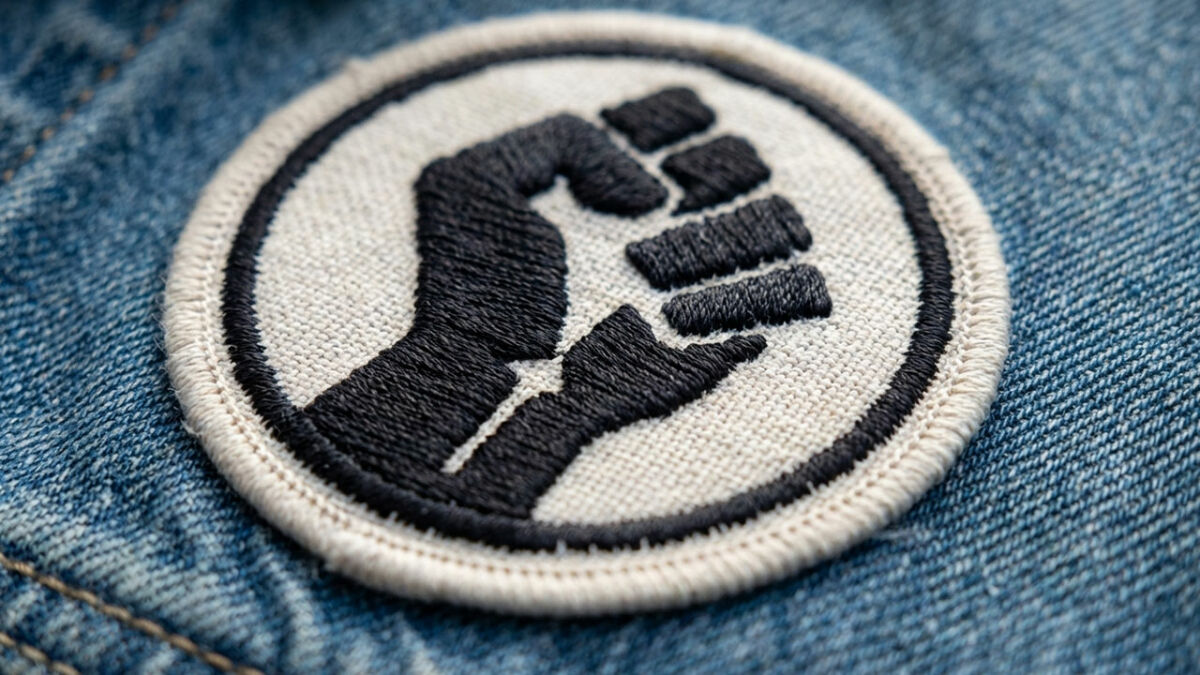
It’s a cliché that a picture is worth a thousand words, but it’s true. You can often say more with a simple symbol or even a single word than you can with a paragraph. Bold symbols such as a raised fist, a heart, or a globe can make your point without words.
The key is to keep the artwork clean and recognizable. Remember, scale is important. Complex designs may lose clarity and definition when scaled down to patch size.
Patch Size and Placement
Consider the size and placement of your patches carefully. A two-inch patch is an ideal size for hats, sleeves, and chest placement. Larger patches easily command attention on jackets, vests or tote bags.
Ethical and Legal Considerations
Copyright and Trademark
While it’s often tempting to use existing popular symbols and recognizable imagery in designing your patches, don’t forget copyright and trademark laws. Don’t use protected logos, text or trademarks without permission from the legal owner(s). Either secure the rights or create your own original art.
Be Careful With Words
Words matter too. It’s ok to express strong beliefs on a patch, but you should not promote harm or incite violence. Keeping your message responsible in that way strengthens your public credibility and helps increase support for your cause.
Cultural Symbols
If you want to include imagery from a specific tradition or community, you don’t want to improperly appropriate the images or condescend. Consult members of the community to be sure you represent it accurately and respectfully. It’s easier to avoid misunderstandings up front than to correct them later.
Ways to Use Protest Patches
Both groups and individuals use protest patches in multiple ways. Patches are versatile enough to function as both symbols of protest and as fundraising tools.
To get your message out, you can distribute patches at rallies, marches and conferences. Attendees can keep them as souvenirs of the event, and as something to wear to future gatherings, or generally in public to make a statement.
Fundraising
Patches are also a time-tested way to raise funds. Organizations can sell them at a low enough price that they serve as an affordable entry point to activism. Because they’re a relatively low-cost item, they can raise money quickly that can be used for expenses such as printing materials, obtaining event permits or even legal support.
Social Media
Custom patches are made for social media too. Individuals can share pictures of their patches online. A popular cause or attractive design can go viral, increasing the reach of your message and inspiring more people to join.
An Enduring Legacy
Custom protest patches may be simple, just fabric and thread. But they’re a powerful way to say what needs to be said, to spur what needs to be done. They carry messages into public spaces they otherwise might not enter. Patches start conversations. And when all is said and done, they offer a lasting reminder that the conversation, with all its emotions, took place.
If you’d like to find out more about custom patches, or order your own, email us or call toll-free at (866) 847-2824. If you have a design in mind, fill out our no-obligation free quote form, and we’ll send you a free digital proof of your design. Let us show you how custom patches can promote your cause.
