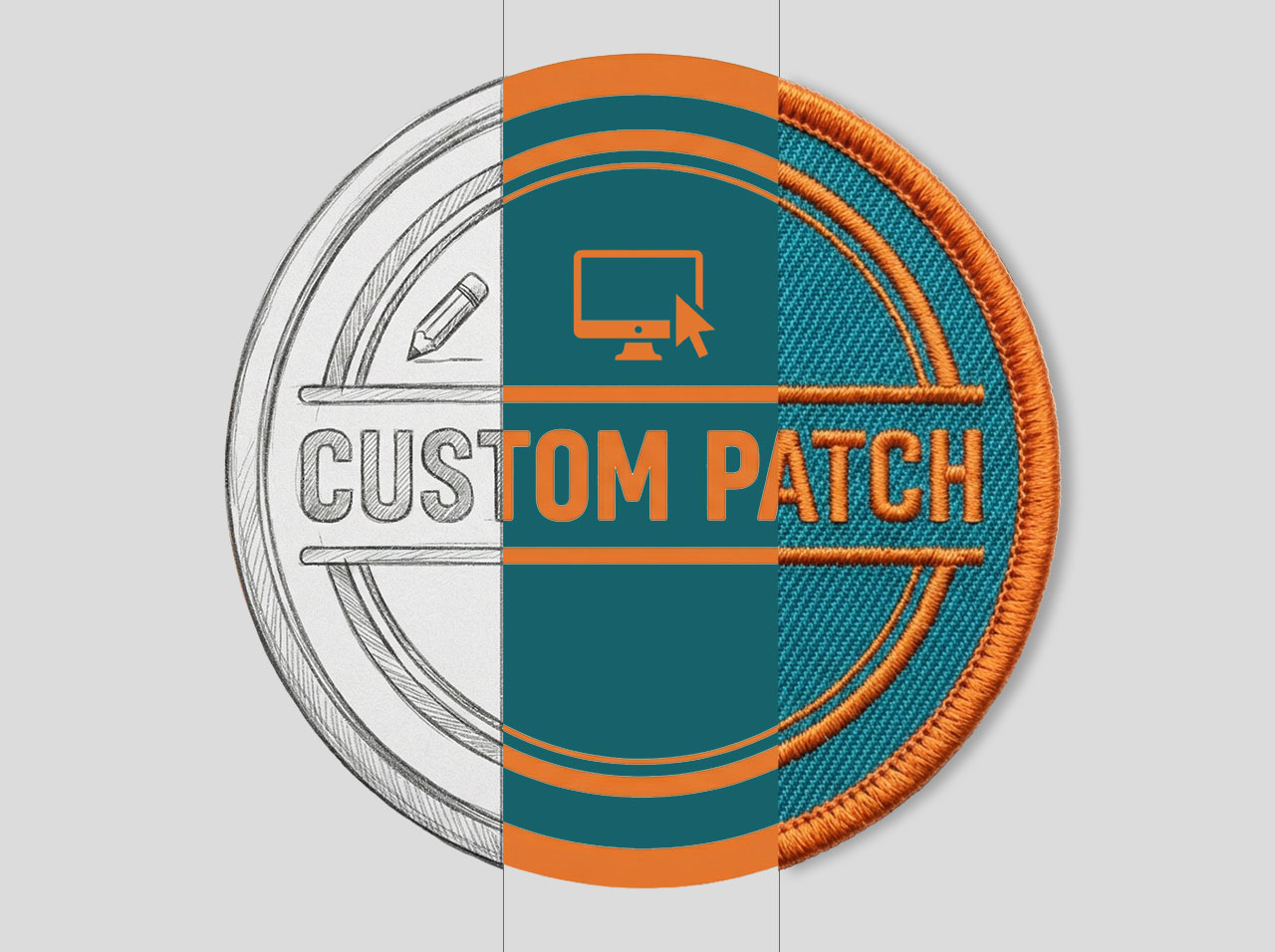

When you’re planning your custom patch order, you’re probably thinking about the factors that go into creating your design – colors, sizes, shapes and the like.
We’ll bet you haven’t given much thought to how your patches go from your design to the finished product. Let’s take a look at digitizing, the critical step that turns your art into something that can be reproduced on an embroidered patch.
The Secret Process
Ok, it’s not really a secret, just a step most people don’t think about when ordering custom patches. Frankly, it’s not really something many customers are aware of or consider at all, but it is a vital aspect of making sure your patches look exactly the way you want them to.
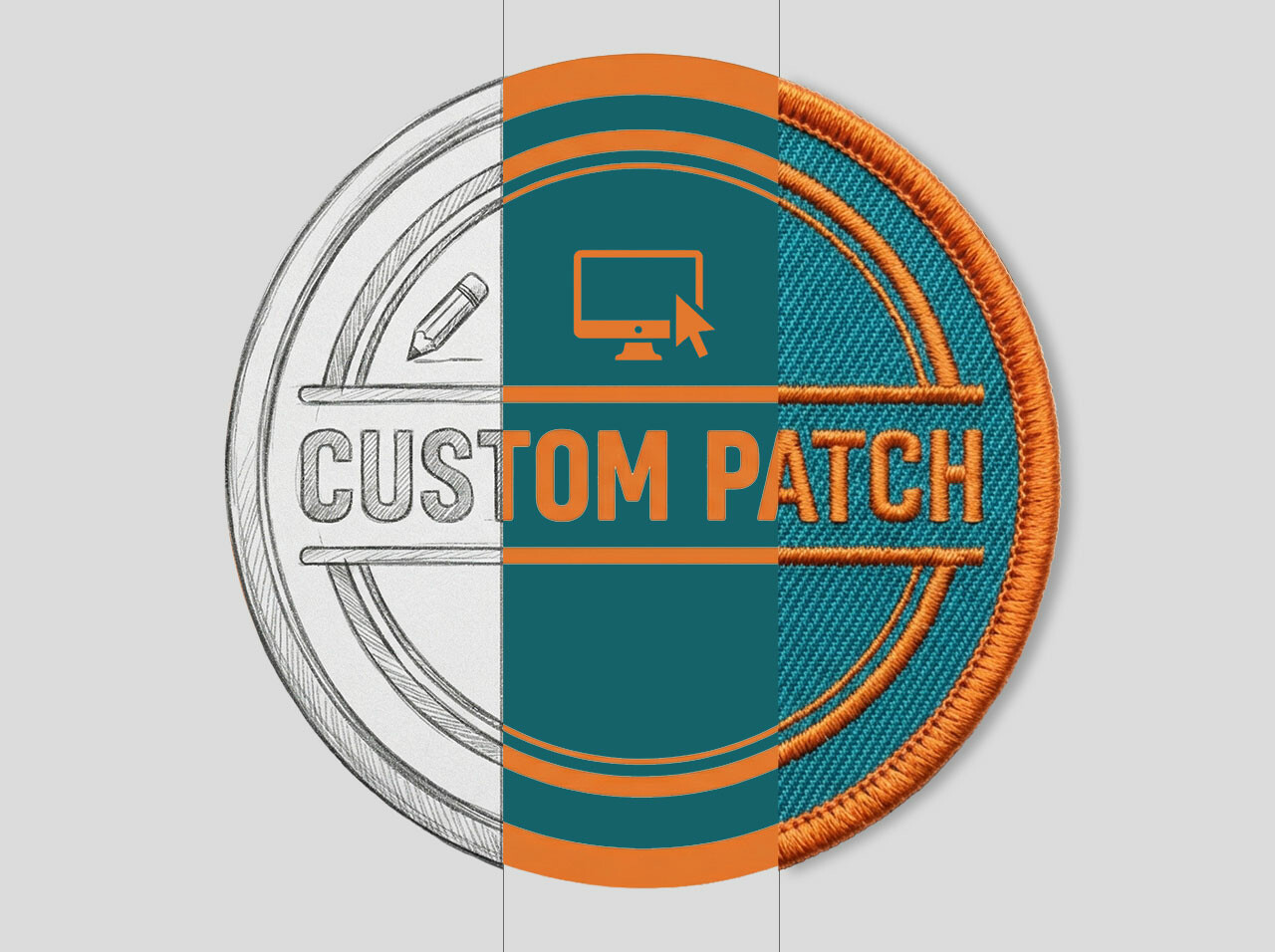
Digitizing is simply the process of turning your patch design – in whatever form you submit it to us -- into a digital file. We have to turn your artwork into a file that a computer-controlled embroidery machine can read in order to stitch your patches.
It’s more challenging than you might expect it to be. When you send your design to us, we can’t just program that into an embroidery machine. We have to transform your art into a format that the machine can read.
What Does a Digitizer Do?
The digitizer is the person responsible for converting your file into its digital format. Their job starts with knowing what kind of machine your patches will be created on. The vast majority of commercial embroidery machines use proprietary software designed by their manufacturers. That means you can’t just digitize a file in a format for Machine A and plug it in to Machine B and expect it to work. For that reason, the digitizer has to know what brand of machines the factory uses.
Every detail of your artwork matters. The person doing the digitizing first uses embroidery software to trace the art. But that’s just the beginning. The digitizer also has to take into account factors such as:
- Design Size
- Stitch Type
- Stitch Angle
- Stitch Length and Width
- Fabric Push and Pull
Stitch Types
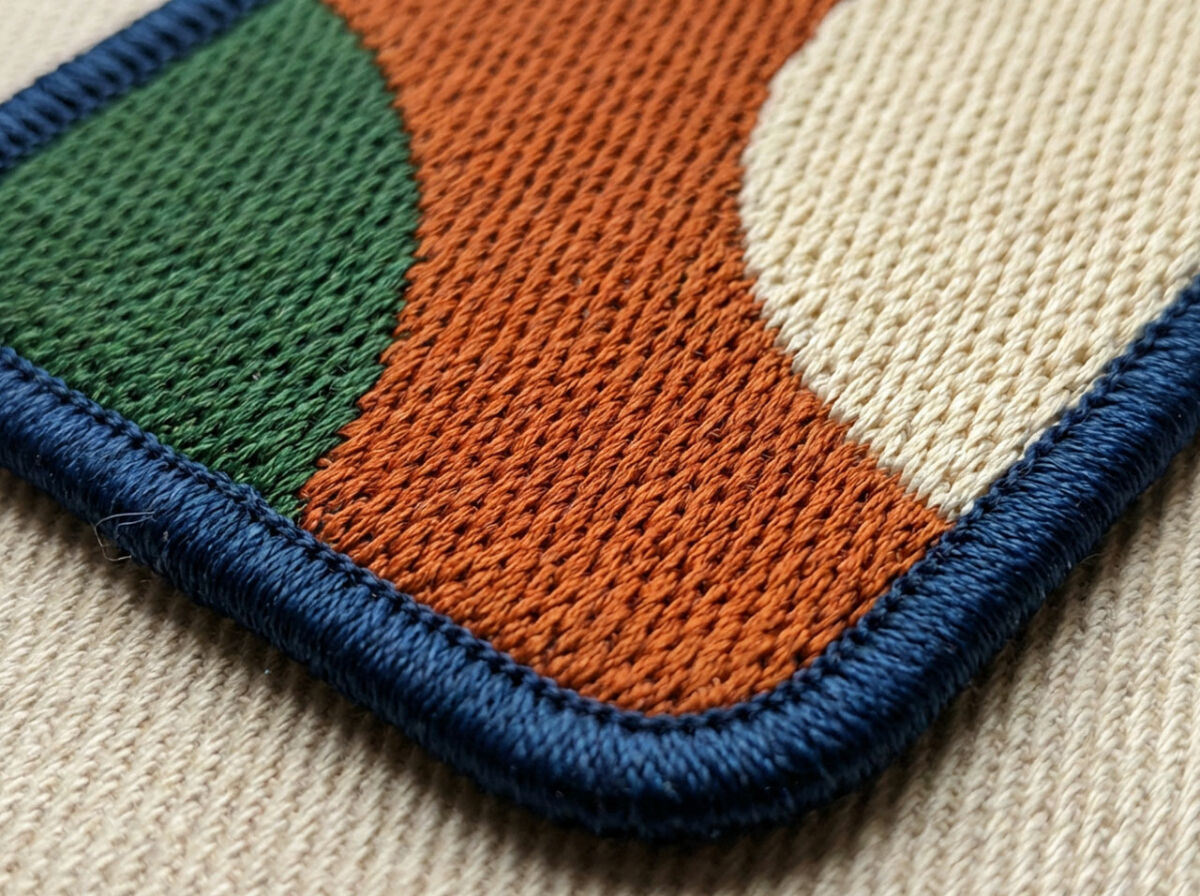
Machine embroidery uses three main stitch types:
- Running Stitch (also called Walking Stitch or Straight Stitch)
- Satin Stitch
- Fill Stitch (also called Tatami Stitch)
The running stitch is most basic type. The other stitch types are variations on this stitch. It’s a simple point-to-point line. Its most common use is for outlining, shading and detail work.
When it comes to detail, the running stitch is all about numbers. The more point-to-point stitches, the greater the detail. The digital file the digitizer creates has to balance that with the machine operation. Too many long stitches will create a loose embroidery that’s prone to snagging. On the other hand, too many short stitches can cause thread breaks that slow down production.
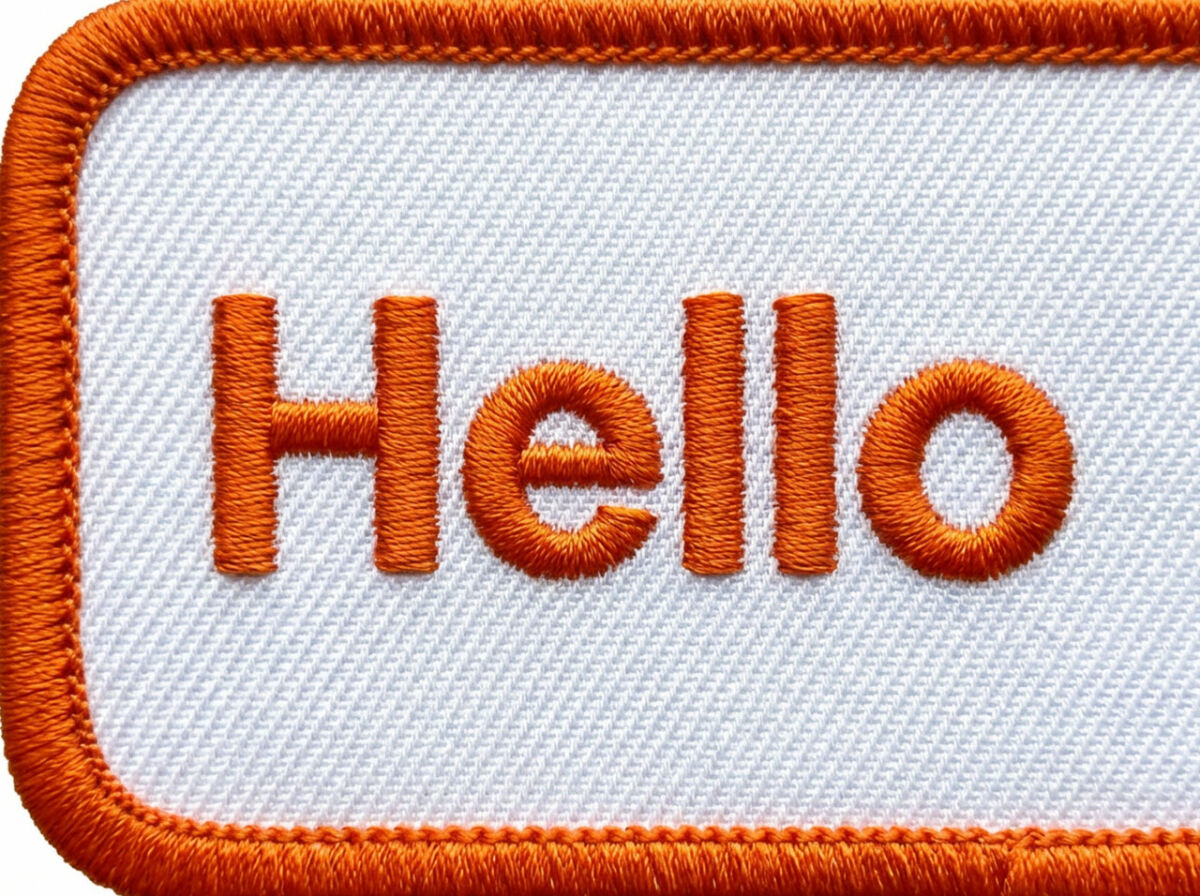
The satin stitch, similar to a zigzag stitch, allows high density in small areas. That makes it perfect for text. It’s used for virtually all text on patches, and also for borders.
The fill stitch is used just as its name implies. It fills in the background areas and completely covers the patch backing material with embroidery.
Using the best stitch type for each part of the design isn’t just about making your patch look its best. It also means the embroidery will be created in the most efficient way possible. That helps keep the cost of your patches in line.
Stitch Length and Width
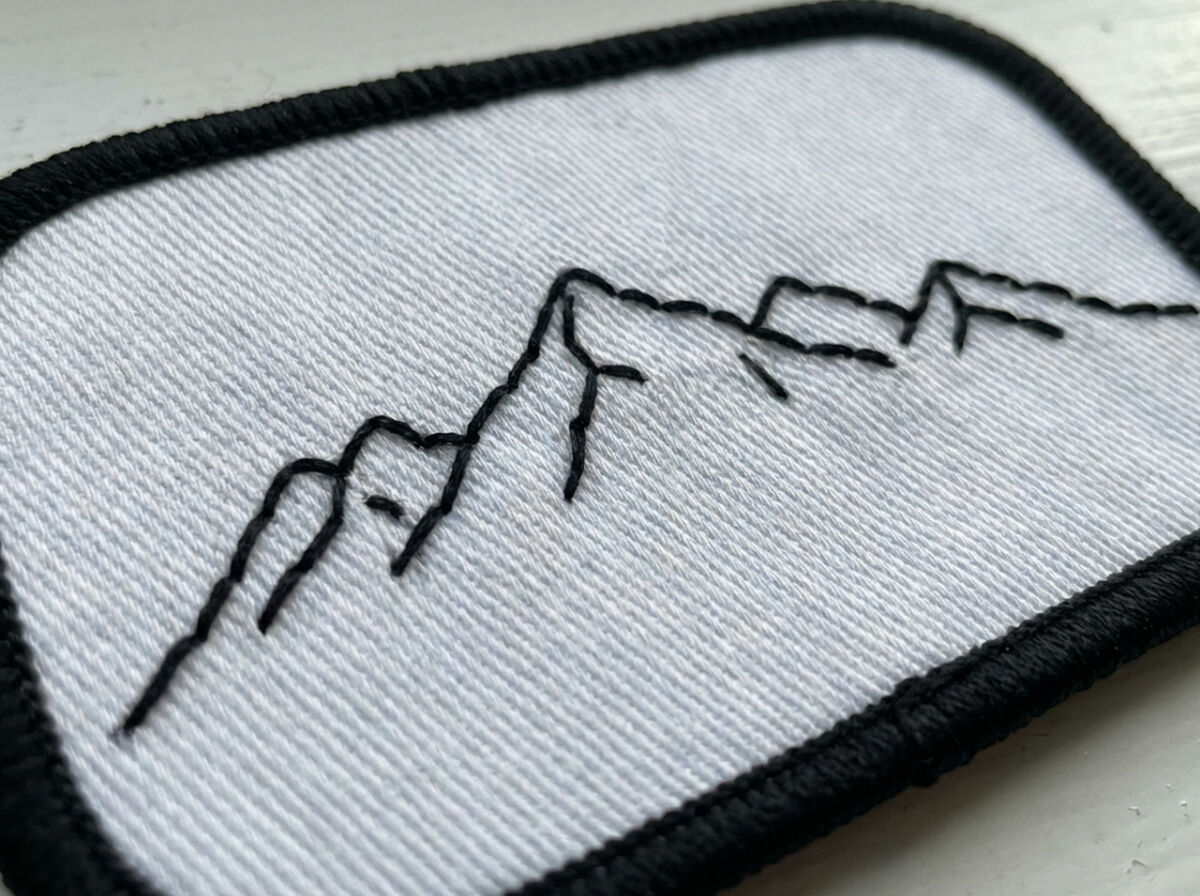
An important part of the digitizer’s job, to make your design look its best, is to calculate both length and width of each stitch style. The goal is to achieving the best blend of stitch type, density and size.
Patch producers most often quote pricing for a set number of stitches, such as “up to 12,000 stitches” for example. If your design requires more stitches beyond that number, your patches will be more expensive. The digitizer’s mission is is to convert your design into a digital format that allows the embroidery machine to create the best-looking patches with the minimum number of stitches. That saves both thread and machine time, giving you the lowest price possible.
Push and Pull
“Push and pull” refers to how movement of the fabric being embroidered affects the width of the stitching. To prevent designs that look bad, especially with text, the digitizer must compensate for it.
Production
When your design is converted to the proper digital format, it gets uploaded to the embroidery machine. Then the machine can produce your patches quickly and efficiently. Once they’re made we carefully inspect your patches, pack and ship them to you.
Your Trusted Patch Provider
That covers the basics of what goes into digitizing and producing your custom patches. There’s more to the whole process, of course, including working with you to create a patch design that best represents your business, organization or cause.
At Patches4Less.com, we’ll work with you every step of the way to make sure your patches will be exactly what you want. Whether you have a finished design in mind or just a general idea, we’ll help you bring out precisely the design you want. We’ll help you choose shapes, colors, sizes and styles to fit your needs.
We’re committed to giving you the finest customer service you’ll find anywhere. We stand behind everything we sell with our 100% Satisfaction Guarantee. Should you find any product you buy from us to be defective in either materials or workmanship, we’ll gladly replace it at no extra cost to you.
Would you like to find out more about digitizing or any other aspect of ordering custom patches? Call us toll free at (866) 847-2824, or email us. We’re happy to answer any questions you might have.
Already have a design in mind? Great! Fill out our no-obligation free quote form and we’ll send you a free digital proof of your design. We are your full service patch providers. We look forward to serving all your custom patch needs, whether for embroidered, woven, printed or PVC patches.