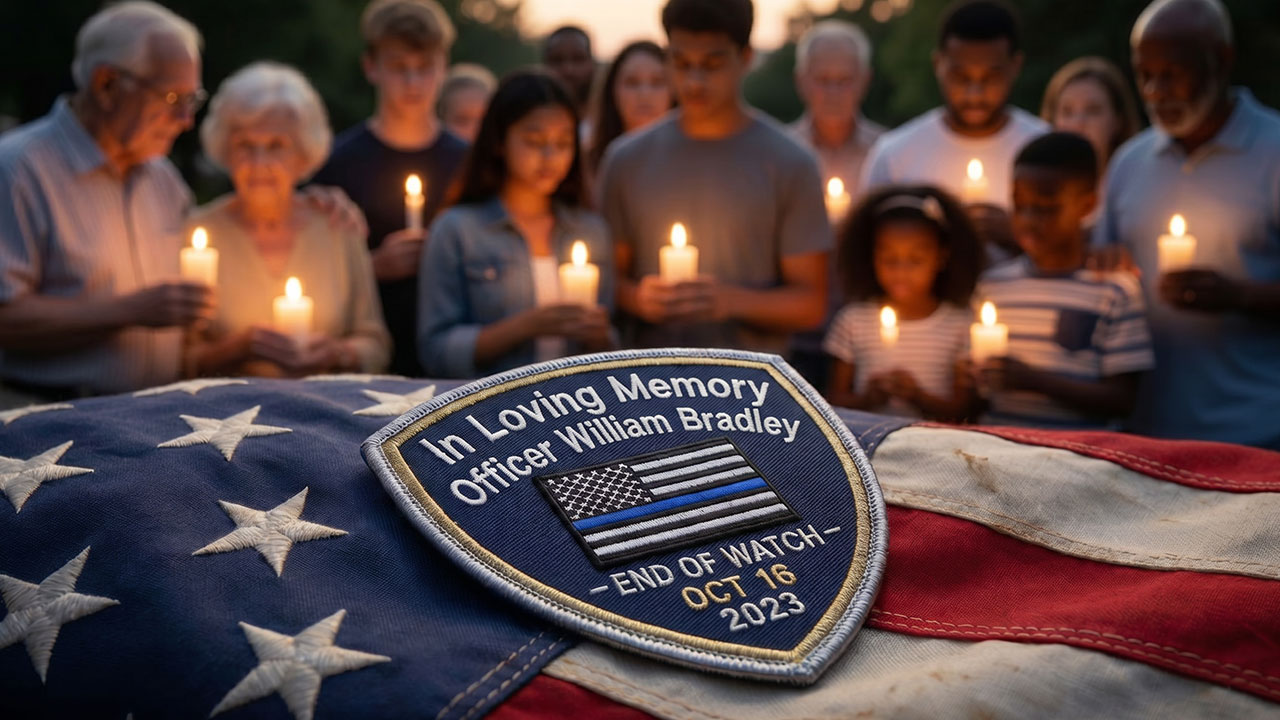

Every day, police officers across the nation go to work, not knowing if they’ll come home at the end of their shift. They commit to uphold the law and keep their fellow citizens safe, fully understanding that they might have to make the ultimate sacrifice to do so.
Honoring Those Who Serve
For more than 60 years, the U.S.A. has held ceremonies to honor those who make that sacrifice, as well as those who take the risk. In 1962, President John F. Kennedy signed legislation establishing National Police Week to be honored in the third week of May each year. The law also designated May 15 as Peace Officers Memorial Day.
The week is marked by ceremonies in Washington, D.C., including a candlelight vigil at the Peace Officers Memorial, a recognition ceremony at the memorial and other events.
Custom patches have long been an essential part of police uniforms around the world. And they are an ideal way to commemorate police officers and pay tribute to the fallen.
Police Patches: A Brief History
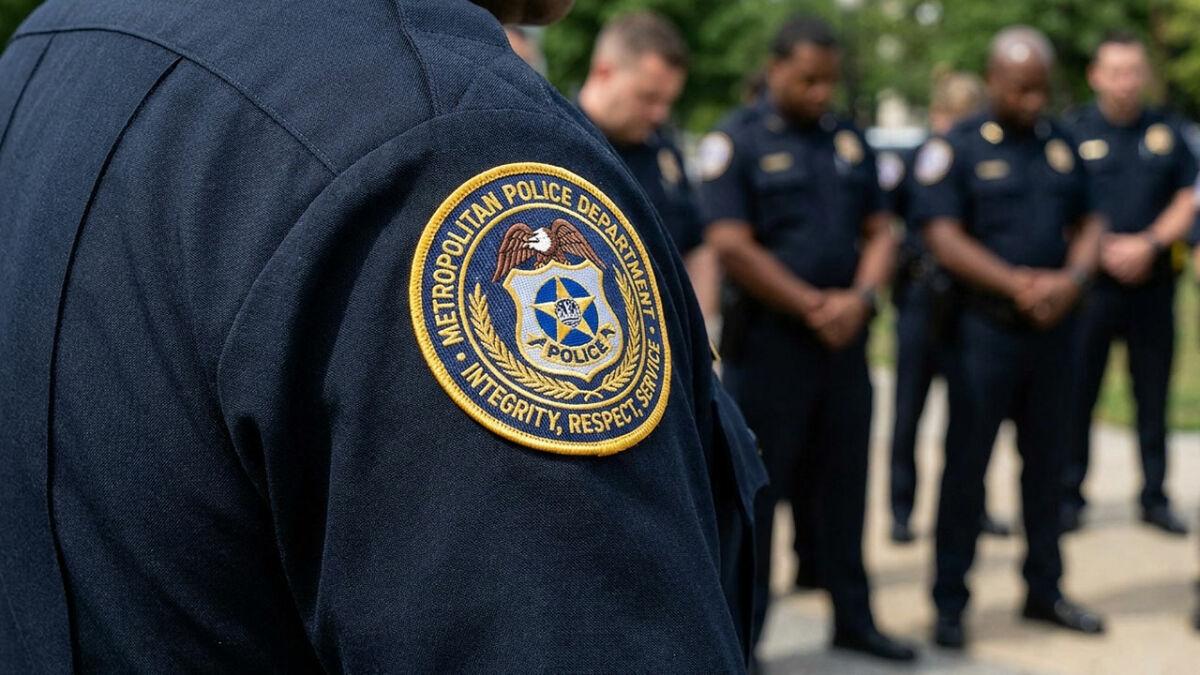
Patches serve an important purpose on police uniforms, dating back to the late 19th century. Police uniforms were originally utilitarian, with little if anything to differentiate officers from different agencies, and no designation of rank.
As departments grew and needed to demonstrate their specific identity, they began to adopt patches as a way to identify their departments both to each other and to the public.
The first patches were often basic, featuring only a simple emblem and the department name. One of the first well-known patches was worn by the New York Police Department. It was a simple design with NYPD prominently shown across it.
Over time, police patches became more elaborate just as badges did. Today, patches are a standard aspect of police uniforms worldwide. Many officers trade patches among different departments at events such as National Police Week.
Significance of Police Patches
Police patches represent more than just an identification. Officers wear them to show pride in their department and in their profession. The patches offer a sense of identity and belonging among department members. They’re a way to honor department history as well.
National Police Week
As we mentioned earlier, National Police Week has been an annual commemoration since 1962. Twenty years later, the first National Peace Officers Memorial Service was held in Washington, D.C.
Nine years later in 1991, the National Law Enforcement Officers Memorial was dedicated. That year, the wall held 12,000 engraved names of fallen officers from around the nation. Today, the memorial contains the names of more than 24,000 officers who lost their lives in the line of duty.
This year’s Police Week commemoration at the memorial in Washington is scheduled for May 11th through the 16th. It includes a candlelight vigil for all the officers who gave their lives in the past calendar year, at which their names are read aloud. It also Includes a 12-hour Honor Guard watch, a Unity Tour Ride to honor the fallen and their survivors, a memorial for police K9 dogs killed in the line of duty and much more.
Types of Patches for National Police Week
Several patch types are popular for National Police Week and its associated events. These include:
Memorial Patches
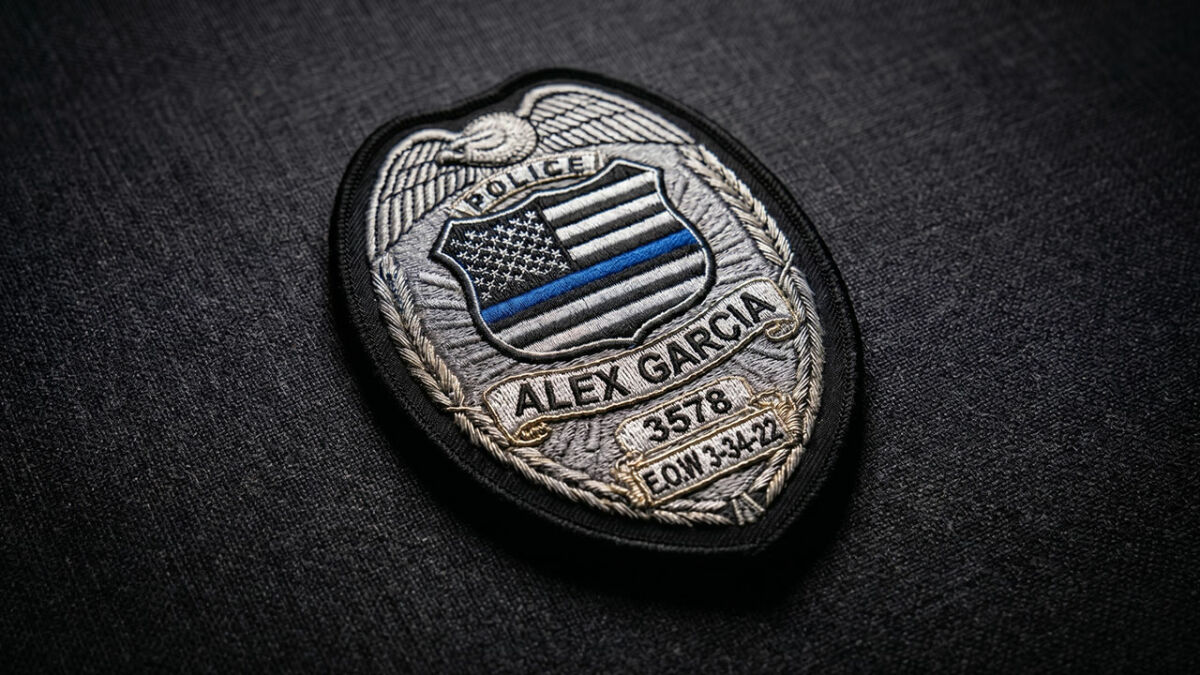
These honor specific fallen officers and often include details such as name, badge number and end-of-watch date. They’re the most personal and meaningful patches possible. Fellow officers wear them on their uniforms, and family members keep them and treasure them as keepsakes of their loved ones.
Unity Patches
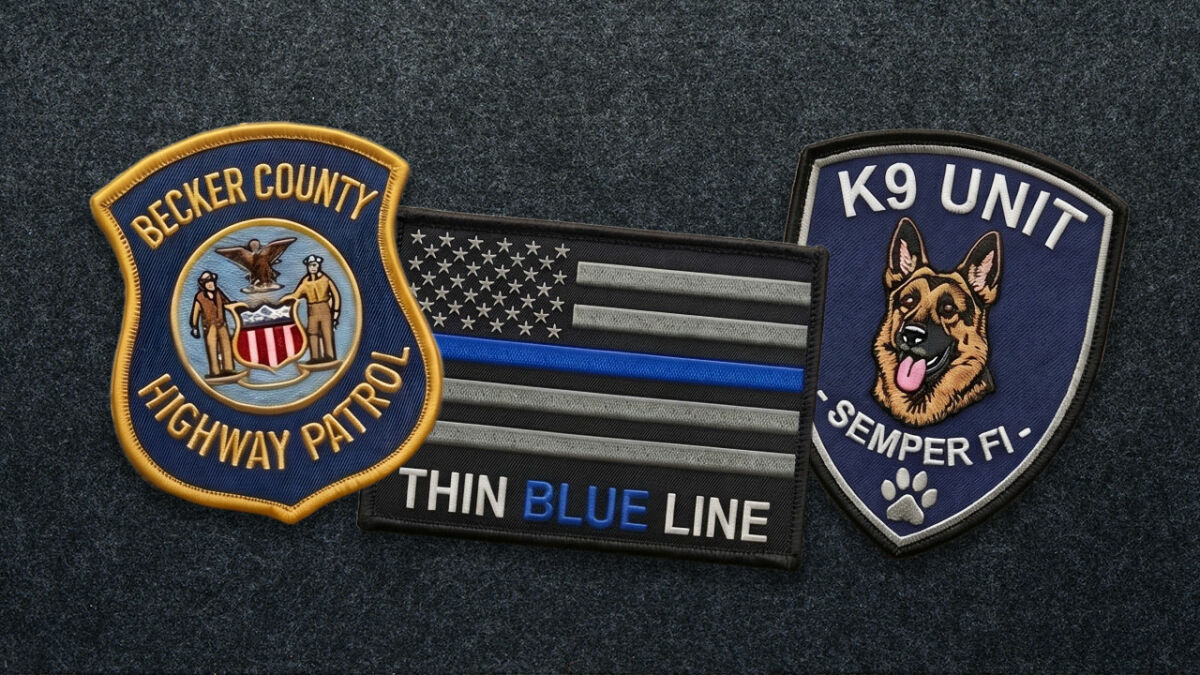
Entire departments choose unity patches to show their solidarity during the week.
Thin Blue Line Patches
Many department patches incorporate this iconic symbol of police work to show their dedication to keeping others safe.
K-9 Unit Patches
Worn by K-9 officers to honor their fallen police animal partners.
Key Patch Design Elements
Designing meaningful patches for National Police Week doesn’t have to be complicated. There are several design elements that traditionally work well for police patches. Popular imagery includes badges, eagles, and flags.
The most popular color choices include blue, of course, to show pride in law enforcement, and black and gold for mourning fallen fellow officers.
Consider the intended use of the patches when designing them. You might want different sizes for uniforms, vests or memorial displays.
Patch Types
Your choice of patch type will depend on the degree of detail in your design, intended use and your budget. Embroidered patches are the most common for patches worn on uniforms. Woven patches, because they use thinner thread, allow greater design detail. PVC patches are ideal for rugged outdoor environments such as Forest Service use.
We’re Here to Help
If you’re not certain what you want your design to be, or which patch type is best for your needs, don’t worry. At Patches4Less.com, our experienced graphic artists will help you create the right patch design for your specific agency. We’ll work with you from design through production and delivery to ensure you get the perfect patches for your department’s needs. Call us at (866) 847-2824 or email us to find out how we can help you honor all of the dedicated officers who have made the ultimate sacrifice.
The 38th Annual National Police Week Candlelight Vigil will be held on Wednesday, May 13, 2026, on the National Mall (between 4th and 7th Streets and Madison and Jefferson Drives) in Washington, DC.
For more information about National Police Week:
National Law Enforcement Officers Memorial Fund’s National Police Week 2026 page