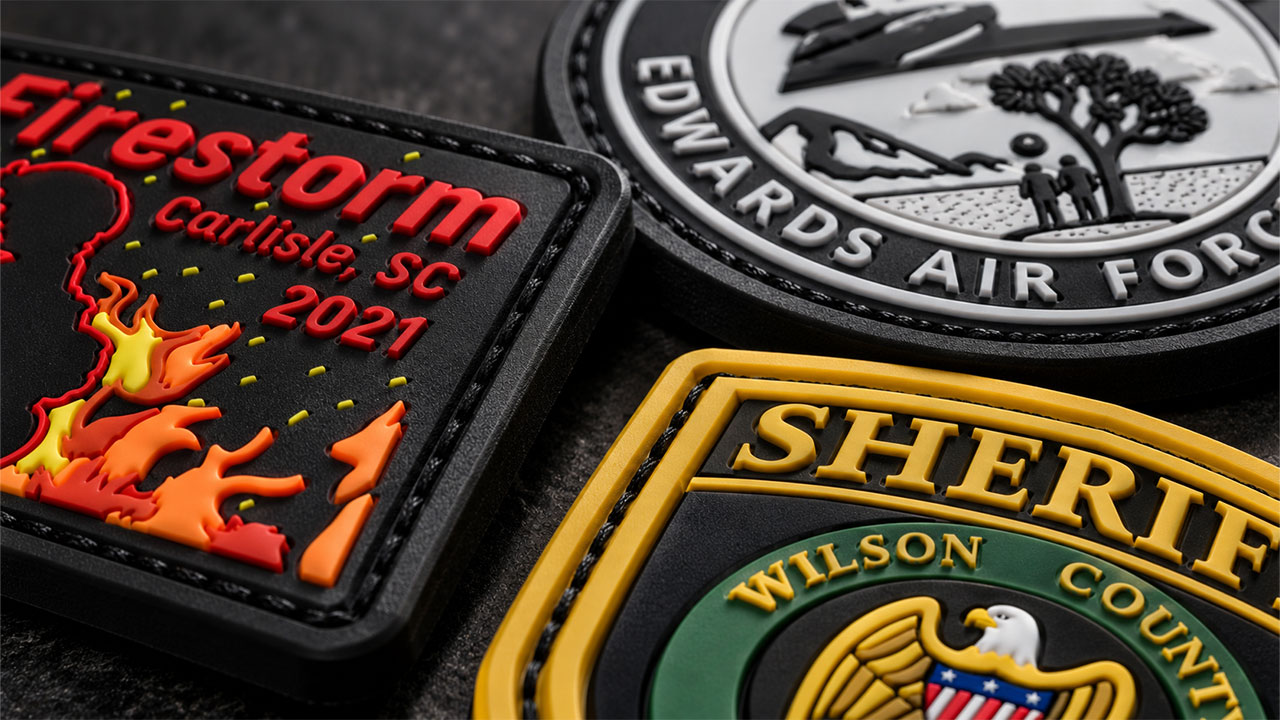

Custom patches are more versatile today than ever before. If you depend on patches to identify your crew, promote your business or make a statement, you know how valuable they can be. To gain the most exposure from your patches, you want them to look great for the longest possible time.
Choosing the right patch type is important if you want to get the most value out of your design. Embroidered, woven and PVC patches all have their place. For rugged environments, bold colors, great detail and waterproof wear, PVC patches are the clear winner. Let’s take a look at how they’re made and the factors that could make the right choice for your patch needs.
What is PVC?
PVC is an abbreviation for polyvinyl chloride, a soft, rubberlike plastic that can easily be molded into virtually any shape or size. First synthesized in 1872 by German chemist Eugen Baumann, it has become one of the most widely used plastics in the world.
Benefits of PVC Patches
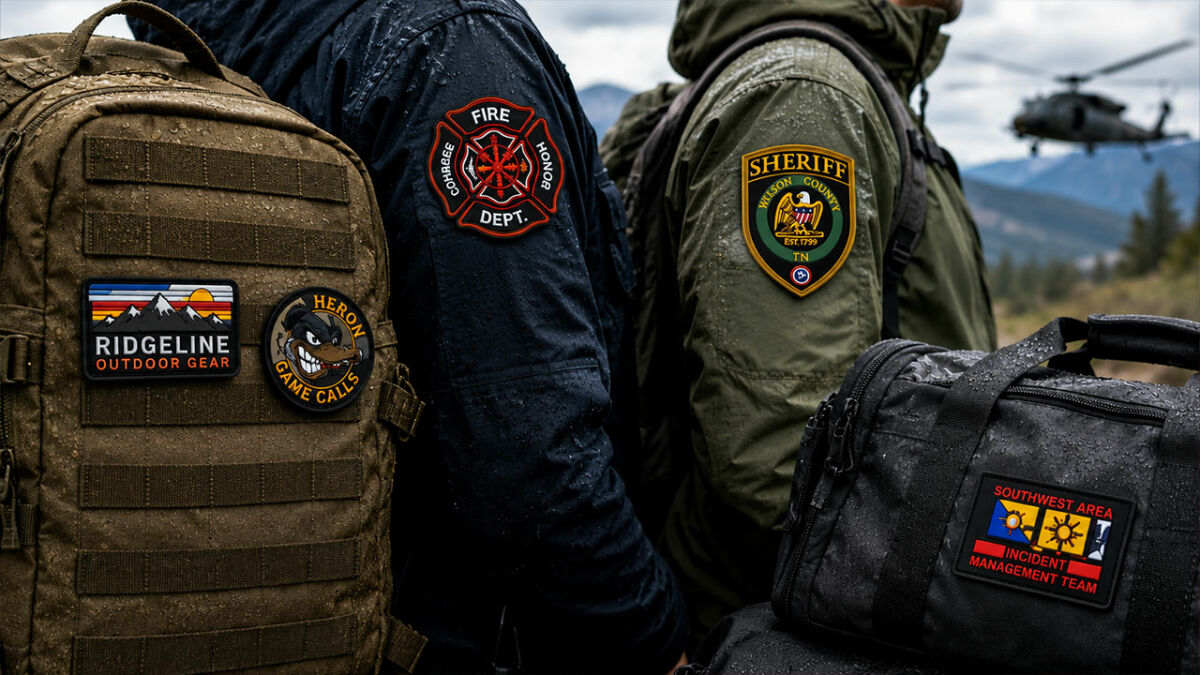
Unlike embroidered or woven types, PVC patches contain no thread. That allows them to include much greater design detail and bolder colors than their woven or embroidered counterparts.
The high level of detail gives you maximum visibility for corporate logos, text, and mascots or other symbols. With PVC patches you can create an intricate design featuring unique dimension and depth that embroidered or woven patches aren’t capable of showing. And you can clean them easily with a damp cloth.
PVC patches offer a major advantage in durability as well. Unlike embroidered or woven patches, they’re waterproof and UV resistant, so they don’t fade from sun, rain or heavy use. PVC patches also don’t patches fray, peel, or crack, making them ideal for rugged environment uses, such as first responder patches, military morale patches, or sports patches.
If you want a traditional patch “look,” with a raised border, standard colors and customary geometric shape, embroidered or woven patches are more likely to fit your needs. PVC patches offer a flatter shape and look best with a strong design. They also give you maximum possible flexibility for the shape of your patches.
Getting Started: Design Your Patch
Every patch, whether PVC, woven or embroidered starts with your design. Decide what shapes, colors, images and text you want on your patch. Share your design with us, and we’ll send you a free digital proof. We will work with you to ensure your patch looks exactly the way you want before production begins.
Creating The Mold
Once you approve the design, our production team will create a custom mold specific to your design. The mold can be made of silicone or metal, precision machined with computer numerical controlled (CNC) machines to the exact shape of your patch.
Making The Patch
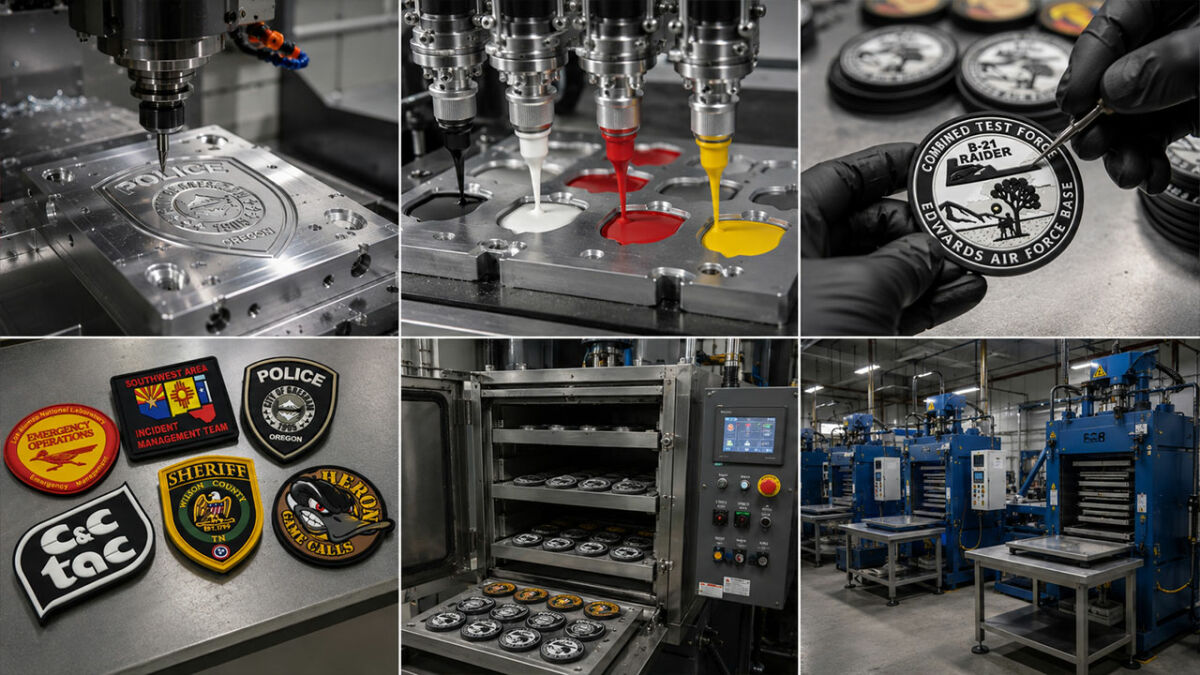
Once the mold is ready, liquid PVC is poured or injected into the mold. Each color is layered into the mold one at a time, and heat-cured in an industrial oven before the next color is added. This ensures sharp images and clear color separation. A separate base layer forms the backing for the patch.
When all the colors are done, the molds receive a final cure to fully set the entire patch. Then the patches can be removed, trimmed and finished. That includes adding any optional attachment methods such as adhesives or Velcro® hook-and-loop fasteners.
It’s important to remember that PVC patches and iron-on backing don’t mix. The heat required to set the backing can melt the PVC and damage your garment in the process. If you want a permanent attachment, sew your patches on. If you want to be able to take the patches off or transfer them between garments, Velcro is your best bet. For shorter-term attachment, standard adhesive will work.
Can I Make My Own PVC Patches At Home?
In a word, no. We know, certain craft websites make it sound as simple as baking a batch of cookies. You can make silicone patches that might look similar to PVC, but the result is likely to be disappointing.
The process of layering the colors probably will require some trial and error to prevent colors bleeding together. Making true PVC patches requires specialized machinery and chemicals not readily available in quantities low enough for home use.
You can also make your own patches with a 3D printer. They might look similar, but just like the silicone versions, they won’t be as comfortable to wear, as detailed or as durable as real PVC patches are.
The Right Source
It’s a far better idea to create your design and submit it to us. We have the equipment and expertise to create great-looking patches you’ll be proud to wear or give to others. And we’ll do it at a price that won’t break your budget.
At Patches4Less.com, we’ve been providing first-rate patches to customers all over the world for more than 20 years. We have the experience and the talent to create patches that you can be confident will show your logo or brand in their best possible light. We’ll work with you every step of the way from design to delivery to ensure your patches look right, perform well and are delivered on time.
If you’re not quite sure what you want your design to look like, don’t worry. Our team of experienced artists can guide you. And if PVC patches aren’t the best style for your specific needs, we’ll help you choose the one that is best.
If you already have a design in mind, that’s great too! Fill out our no-obligation Free Quote form and we’ll send you a free digital proof of your design. We don’t charge for artwork or revisions, so you can be sure your patches will look exactly the way you want before production begins.
We also back everything we sell with our 100% Satisfaction Guarantee. If you find any patch you buy from us defective in either workmanship or materials, we’ll replace it at no extra cost to you.
Why not call us today at (866) 847-2824 to get started? Let us show you how easy it is to create great-looking custom PVC patches!